
Every time a defendant’s fundraiser goes viral, the internet splits into two camps: those who think the donors are funding justice, and those who think they’re funding a villain. Which camp you land in tends to depend on who the defendant is. Strip out the team colors and look at what was raised, and what courts actually let the money do, and the picture is more interesting than either side admits. (We use “GoFundMe” loosely here; these campaigns ran on different platforms.)
Funny how some people are upset by this guy's gofundme. I've seen less backlash to all the racist crashouts gofundmes like Chud the builder, Shiloh Hendrix. I haven't forgotten Zimmerman.Also that lying Brick lady. Nice to see a hard working regular guy get paid & support his kid https://t.co/XFRa6oSpiH
— Eon1 (@Eon1Eno) October 31, 2026
That October 31 post, from X user @Eon1Eno, argues people have shown “less backlash to all the racist crashouts gofundmes like Chud the builder, Shiloh Hendrix.” It’s a small account and not a lot of views, but the argument is everywhere. So let’s run the numbers.
Chud: $300K+, and the Court Said No
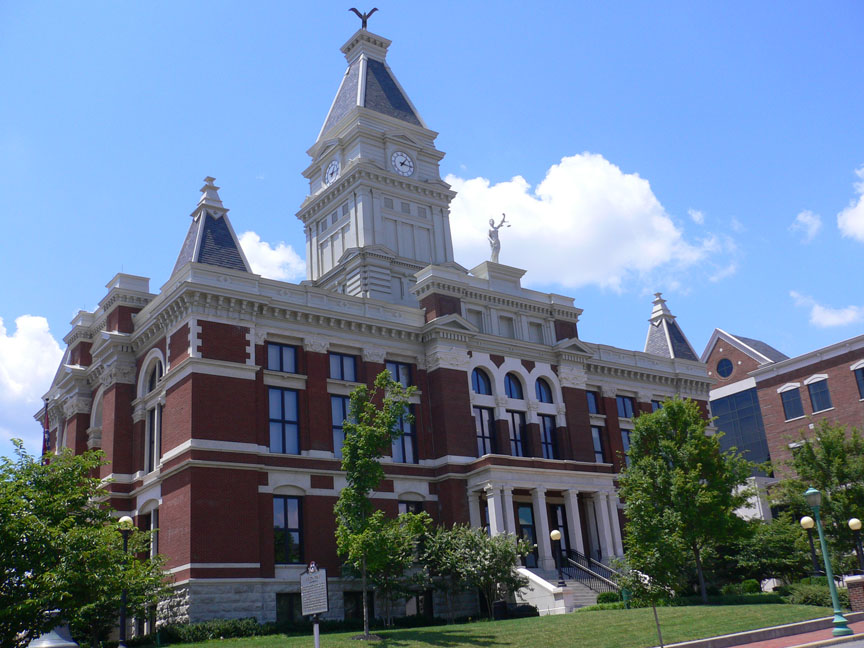
After the May 13 courthouse shooting in Clarksville, Dalton Eatherly, a.k.a. ChudTheBuilder, “raised more than $300,000 through an online fundraiser,” WTVF reported. Then a judge drew a line: the court “would not allow crowdsourced money to be used to post his bond.” The same judge capped any single bonding company at $100,000 of his $1 million bond, forcing him to line up ten.
He eventually got out in August on the $1 million bond plus a $15,000 Davidson County bond, per EarlyGame. He has claimed self-defense; that’s his claim, not a court finding, and he hasn’t been convicted. We covered the bond fight in May and June.
Shiloh: Nearly $900K, and No Reported Strings
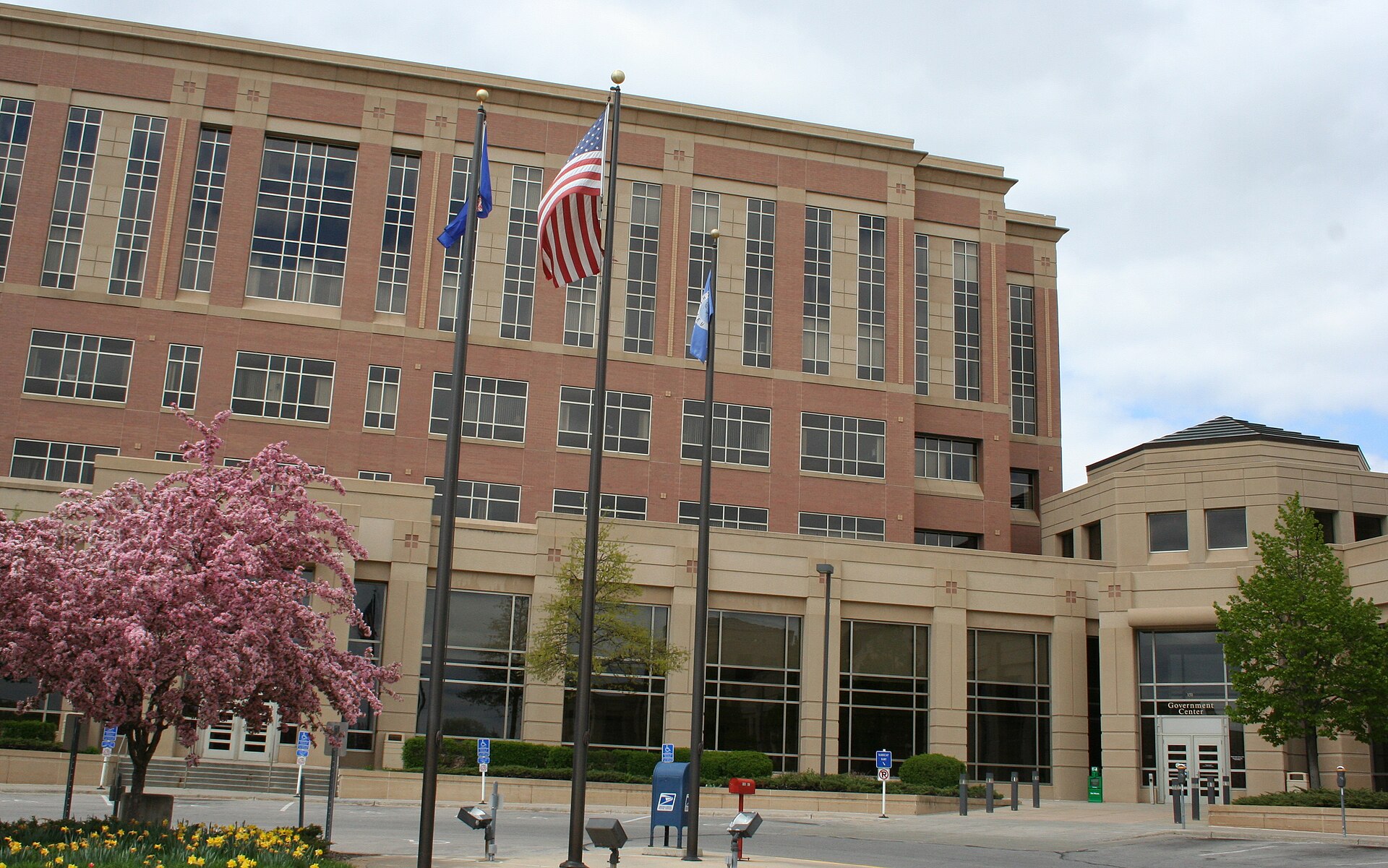
After her April 2025 playground video went viral, Shiloh Hendrix launched a crowdfunding campaign saying her family was in “great turmoil” after her personal information leaked and that she feared having to move, FOX 9 reports. It “raised nearly $900,000 as of late July 2026.”
We found no reporting that any court restricted how she could use it. Her penalty, after a jury convicted her of one misdemeanor count and acquitted her of the other, was a $1,000 fine, probation, community work and a stayed 90-day jail term, per the Post Bulletin. No bond fight, no bonding-company cap. We’ve argued since October 2025 that the prosecution was a witch hunt; the fundraiser is a large part of why her critics stayed so furious.
Karmelo: $630K, and Nobody Auditing
Then there’s Karmelo Anthony. As we reported in June, citing TMZ and the Washington Times, the GiveSendGo page his mother set up topped $630,000 before the platform removed it the day after his June 9 murder conviction. GiveSendGo has said the money went to legal defense and family relocation.
Claims that the family bought a house and car with donations were rated unfounded by Snopes, as our earlier piece noted. Journalist Sarah Fields alleged the money paid for a “fake and illegal security team, daily living expenses, transportation, and housing costs”; those are her claims. What we have not found in any reporting is a court order restricting the fund the way the Clarksville judge restricted Chud’s.
The Scorecard
Put side by side: Chud raised the least of the three, still faces an attempted-murder charge, and is the only one we found whose fundraiser a court expressly fenced off from his own bond. Hendrix raised the most and faced a misdemeanor. Anthony’s fund outlasted his presumption of innocence by exactly one day.
You can draw your own conclusions about why each judge did what they did, and the cases are not identical: different states, different charges, different judges. But anyone who says the system treats crowdfunded defendants the same should explain why only one of these three had his donors told, in effect, “not for that.”